Yes Virginia, Data Center Fires Really Do Happen November 26, 2014
Posted by shawnpci in Fire Protection, Fire Systems.Tags: alarm, clean agent, clean agents, Data Centers, Fenwal, fire, fire alarm, fire alarm systems, fire protection, fire suppression, fire suppression systems, Fire Systems
2 comments
Responding to recent comments from a facility manager that fires in data centers are rare, Onward and Upward offers a recap of three such fires that have happened in the previous 11 months with details on each.
♦ A fully-powered, but unused transient-voltage surge suppressor (TVSS) failed in the Hoover State Office Building’s basement l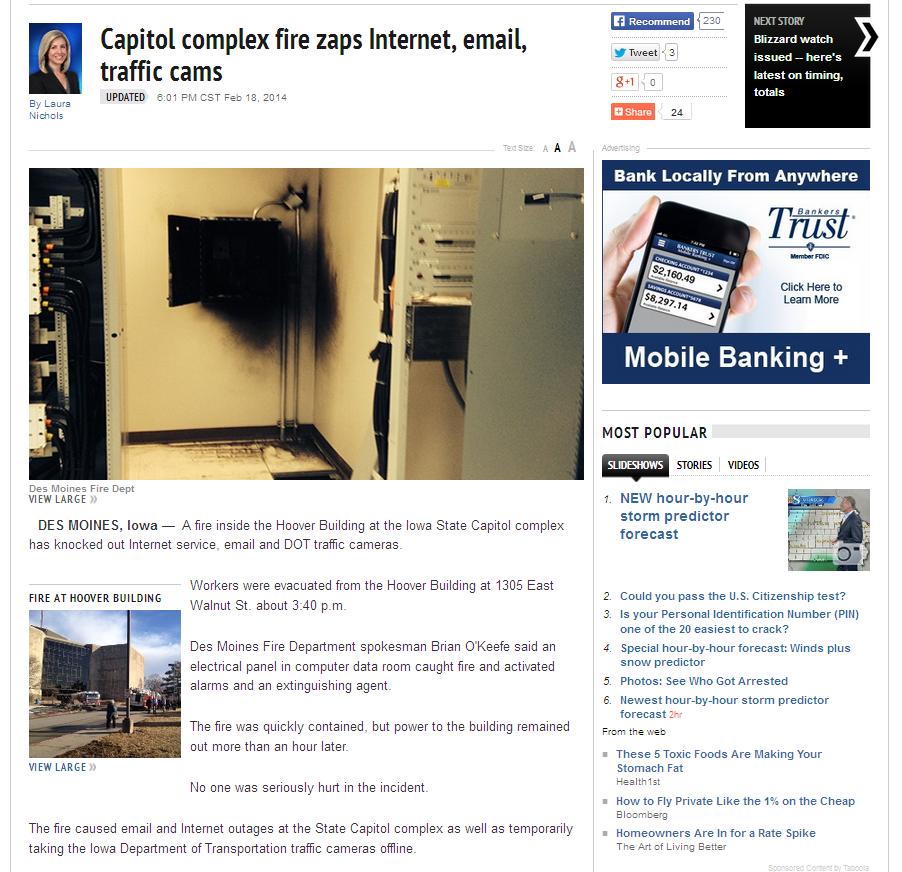 evel data center on the afternoon of February 18, 2014. The failure caused significant damage to the unit and produced smoke throughout the room. A quick-thinking employee activated a manual release station that discharged over 2,400 pounds of FM-200 clean fire-suppressing agent throughout the room and raised floor. In addition, the agent release also triggered the emergency-power-off circuit dropping power to critical equipment.
The Des Moines, Iowa fire department responded within minutes of receiving the signal from the building’s automatic fire alarm system. Upon arrival, the fire was extinguished and personnel were assessing the fire damage and working to restore operations.
♦ The catastrophic failure of a capacitor caused dense smoke to be generated within the cabinet of an uninterruptible 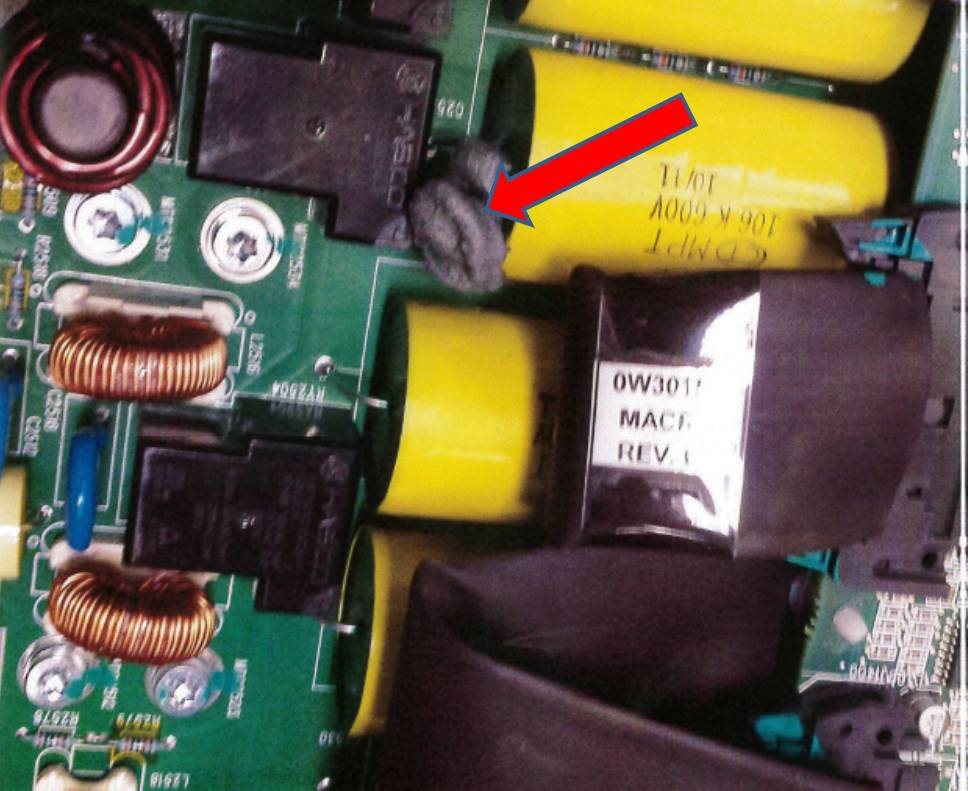 power supply (UPS) unit at a central Iowa data center on March 19, 2014. The FM-200 clean agent fire suppression system incorporated a VESDA air-sampling smoke detection system that quickly sensed the smoke and automatically released 385 pounds of agent. The fire was extinguished by the time local fire teams arrived on the scene.
While the facility itself was unaffected by smoke damage or the clean agent discharge, it took over a day and a half for personnel to locate the failed component deep within the UPS unit.
♦ The malfunction over-heating of evaporator coils on a self-contained computer room air-conditioner ignited collected dust and paper filaments in the raised floor of a Des Moines area data room. The slow smoldering of the materials was sensed by a smoke detector located under the raised floor on the evening of September 18, 2014. A second smoke detector confirmed the smoke condition and initiated the discharge sequence that notified the building’s automatic fire alarm system and released 274 pounds of FM-200.
The small data room was unoccupied at the time of the event. When facility and fire department personnel arrived, the fire was extinguished and there was no damage caused by the agent’s discharge.
While it maybe uncommon to have three events occur within a short time span, it’s clear that it’s not uncommon for fires to occur in data centers. Each of these incidents could have easily gotten out-of-hand and escalated into major disruptions for these facilities. However, because of forethought by prudent operators and well-designed and maintained clean agent fire suppression systems, the effects of each of these fires was minimized so that mission-critical functions could return to normal.
Popular Clean and Green Demos Set for July 25th and 26th July 18, 2012
Posted by shawnpci in Fire Protection, Fire Systems, FSSA.Tags: alarm, clean agent, clean agents, Data Centers, fire, fire protection, fire suppression, Fire Systems, hot aisle cold aisle, life safety, NFPA, Protex Central
add a comment
 Protex Central’s popular Clean and Green Fire Suppression Demonstrations dates are set for Wednesday, July 25th in our Urbandale, Iowa offices and Thursday, July 26th in our newly relocated Omaha, Nebraska offices.
If you’ve never experienced a clean agent fire suppression event, here’s your chance.
You can learn more by visiting:
Protex Central Launches New Website May 5, 2012
Posted by shawnpci in Change Leadership, Fire Protection, Fire Systems, FSSA, Good Stuff to Share.Tags: alarm, clean agent, clean agents, Data Centers, Dealer of the Year, fire, fire alarm, fire protection, fire suppression, Fire Systems, FSSA, life safety, Mass Notification Systems, nurse call systems, Protex Central, SAMMY Awards, security
add a comment
Protex Central, Inc., a SDM Top 100 Systems Integrator and SAMMY award finalist announces the launch of its new redesigned website at www.protexcentral.com.
 Working closely with John Hardy of Hardy Communications and David Sutter of the ICreative Group, Protex Central has re-branded its on-line presence with a bold and informative web design. Drawing on the collective web crafting experience of the Hardy/ICreative team, Protex Central’s new site is becoming a destination site for industries and individuals to learn about the solutions-based approach that Protex Central offers to the marketplace.
Featuring industry segmentation pages and solution highlights as well as Protex Central’s new re-branded logo, www.protexcentral.com seeks to educate and inform users on the unique benefits that Protex Central offers.
Shawn Mullen, President and Chief Energy Officer at Protex Central commented, “we’re very pleased with the overall direction of our new website and the re-branding of our corporate image. We’ll leverage our web presence with a renewed focus on solutions-oriented offerings to move us to the next level and beyond.”
FSSA Prepares to Celebrate 30th Annual Meeting February 25, 2012
Posted by shawnpci in Fire Protection, Fire Systems, FSSA, Uncategorized.Tags: alarm, clean agent, clean agents, Data Centers, fire protection, fire suppression, Fire Systems, FSSA, hot aisle cold aisle, NFPA
add a comment
The Fire Suppression Systems Association is set to celebrate 30 years of fire protection excellence beginning tonight at the opening reception at the Rancho Las Palmas Resort in Rancho Mirage, CA.
Over 150 attendees will gather to renew friendships, share industry experiences and learn about new activities and initiatives being undertaken by the FSSA.
The in addition to numerous committee reporting sessions, this three day annual meeting features several seminars including:
- Keynote Speaker: economist Alan Beaulieu
- Technical Session: Fire Protection Challenges with Hot Aisle/Cold Aisle Containment in Data Centers
- Educational Session: Liability for the NICET Designer
- Educational Session: Maximizing Your Productivity & Efficiency When You’re On the Road
Industry leaders William Eckholm, President and CEO of Firetrace International, and Roger Bourgeois, Founder and President of Bourgeois & Associates, Inc., will be presented with FSSA’s Leadership Award during the President’s Banquet on Monday evening, February 27th.
The FSSA Leadership Award is presented annually to honor individuals in the special hazards fire protection industry that have shown great leadership and responsibility in their professional and personal lives. When choosing a recipient, the FSSA Awards Committee takes into consideration a variety of attributes including dedication to and longevity in the industry, integrity and fairness in their work, and a desire for innovation and change to improve the industry.
To learn more visit: www.fssa.net.
The 30th Annual Meeting concludes on Tuesday, February 28th.
NFPA 750 and Water Mist Focus of Seminar August 18, 2011
Posted by shawnpci in Fire Protection, Fire Systems.Tags: clean agent, clean agents, Data Centers, fire protection, fire suppression, Fire Systems, life safety, NFPA, Protex Central, wind turbines
add a comment
Protex Central and Victaulic will present New Trends in NFPA 750 Water Mist Fire Protection Systems on September 13, 2011 at the new FFA Enrichment Center on the campus of Des Moines Area Community College in Ankeny, Iowa.
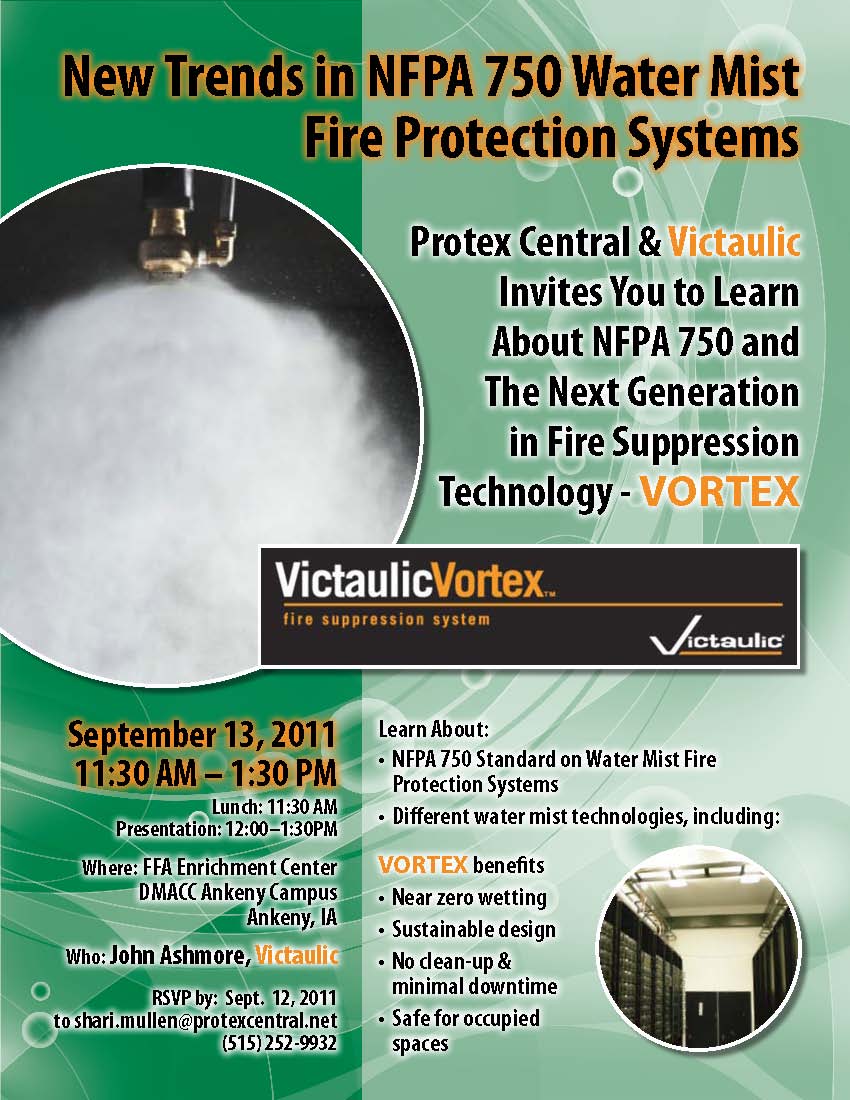
Seminar explores NFPA 750 and associated technologies
The two hour seminar will focus on NFPA’s standard on water mist fire protection systems (NFPA 750) as well as different water mist technologies including Vicatulic’s hybrid system: VORTEX.
VORTEX is a unique fire suppression system that provides a homogenous mixture of nitrogen and water to create a highly effective suppression capability. VORTEX systems feature several important factors including:
- environmental sustainability
- near zero wetting
- no clean-up or downtime
- safe for occupied spaces
Common applications for VORTEX technology include: industrial applications; electrical generator enclosures even data centers.
A complimentary box lunch will be served beginning at 11:30 a.m.
Reserve a seat by contacting Shari Mullen at (515) 252-9932 or via e-mail at: shari.mullen@protexcentral.net.
Presentation Holds Attention of 140 Character Conference June 21, 2011
Posted by shawnpci in Change Leadership, Fire Protection, Fire Systems, Good Stuff to Share.Tags: alarm, Change Leadership, clean agent, clean agents, Data Centers, Dr. Tom Hanson, fire, fire protection, fire suppression, Fire Systems, life safety, Protex Central
10 comments
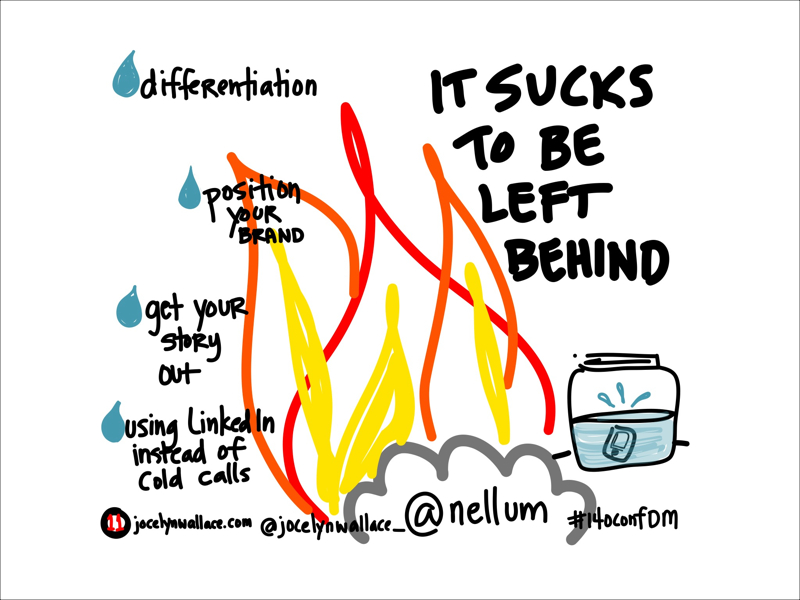 A recent presentation at the Des Moines 140 Character Conference featuring NOVEC 1230 Fire Protection Fluid held the attention of roughly 150 persons in attendance. The conference was held this past May at the Stoner Theater in the Civic Center of Greater Des Moines. It was simultaneously broadcast over the internet. This is a clip of my presentation entitled: It Sucks To Be Left Behind.
The 140 Character Conferences seek to highlight the use of social media in a variety of ways. I took the wild chance of submitting an application about how I’m trying to position myself (and my company, Protex Central) as the “go-to” solutions provider. I’ve had several inquiries on the agent and much disbelief that it’s not water. It’s not magic – it’s just technology at it’s best.
Popular Clean and Green Demo Dates Announced April 30, 2011
Posted by shawnpci in Fire Protection, Fire Systems, FSSA.Tags: clean agent, clean agents, Data Centers, fire suppression, Fire Systems, life safety, NFPA, Protex Central
add a comment
Protex Central’s popular Clean and Green Fire Suppression Demonstrations dates are set for Tuesday, May 17 in our Papillion, NE location and on Wednesday, May 18 in our Urbandale, IA offices.
If you’ve never experienced a clean agent fire suppression event, here’s your chance.
You can learn more by visiting:
Protex Central, Inc. or see a video clip at: PitchEngine
Technical Chair Hubert Highlights Activities February 28, 2011
Posted by shawnpci in Fire Protection, Fire Systems, FSSA.Tags: clean agent, clean agents, Data Centers, fire alarm, fire protection, fire suppression, Fire Systems, FSSA, NFPA
2 comments
FSSA’s technical committee chair, Dan Hubert, presented highlights of the technical committee’s work over the past year during a session yesterday at FSSA’s Framing for Success Annual Meeting.
Hubert provided details on a variety of efforts underway with the committee including major contributions to the NFPA comment cycles for 2001 and 72. He noted that FSSA is represented on over 37 NFPA standards committees.
Additionally, he announced the third in a series of Carbon Dioxide design guides covering total flooding applications. It forms a trilogy of documents with the previously published guides for local application rate-by-volume and local application rate-by-area.
Other topics being worked on are design considerations for data centers with hot aisle/cold aisle arrangements, and a possible white paper discussing Class C design concentration applications.
Hubert unveiled a unique software program developed by the committee that quickly and easily correlates all of the NFPA occupancy standards with all of the NFPA design standards. Free copies of the software will be distributed to all meeting attendees on a jump drive.
FSSA’s annual meeting continues in San Juan through March 1.
Dry-Pipe Doesn’t Mean Clean Agent April 2, 2010
Posted by shawnpci in Fire Systems, FSSA.Tags: Data Centers, Fire Systems, NFPA
add a comment
 Here are a couple of my comments regarding a recent entry found at: http://www.colocationblog.org/
Friend, you’re exactly correct. The notion of “dry-pipe” is a misnomer for inferring that clean agent fire suppression is in place. Moreover, the installation of fire sprinklers is to meet a building code – not the operational objectives of a datacenter (how many 9’s is it?)
One point of clarification – neither Halon 1301, FM-200, Novec 1230 or other clean agents listed for total flooding applications deplete oxygen in a protected space. In the case of Halon 1301, it chemically interrupts the chain of combustion (See NFPA 12A appendix for more information). The other noted agents essentially absorb heat to suppress the fire (See NFPA 2001 for more information).
The idea that all gaseous agents deplete oxygen to suppress the fire flows from the way the Carbon Dioxide (CO2) systems work and, to some extent, the way Hollywood portrays the technology. CO2 is NOT recommend for total flooding applications where personnel may be present (See NFPA 12 for important safety requirements).
This topic is very timely. Read more about Google’s recent datacenter fire at my blog: shawnpci.wordpress.com
Ain’t No April Fools Joke April 2, 2010
Posted by shawnpci in Fire Systems, FSSA.Tags: Data Centers, Fire Systems, FSSA
add a comment

To quote Jerry Garcia…”what a strange trip it’s been.”
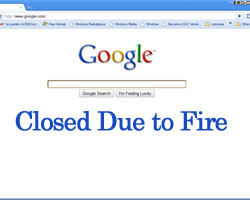
Rarely have two events conspired on the same day to bring into sharp focus the reality of our electronic connectedness: Google Data Center Fire and Windstream Outage.
Both unfortunate situations point out just how vulnerable we are in the electronic age. Despite what I’m sure were days if not months of planning and double checking, the systems put in place to safeguard systems and facilities failed.
In the Google case, not only was the giant brought to its technical knees, it’s being financially tormented by its advertisers.
With the Windstream outage, emergency 9-1-1 centers in Nebraska as well as a UL-listed central alarm monitoring station were literally disconnected from their constituents. The impact to public safety wasn’t limited to just the Nebraska counties affected, but the numerous central station customers locate throughout the Midwest.
Readers of my blog know that I’m all about good reliable fire protection, however, as both cases point out – it can’t hurt to consider the true total cost of ownership when assessing fire protection options in a data center or the reliability/redundancy of monitored services.


 Onward and Upward